LinkedIn: Talent Intelligence
Talent data given a human face
LinkedIn's Talent Intelligence Experience brought talent leaders together to explore how data could help shape better hiring and workforce decisions.
The subject was inherently analytical, but the experience could not feel like a dashboard brought into a room.
The challenge was to take the scale of LinkedIn's talent data and make it something people could see themselves inside.
People are the insight.
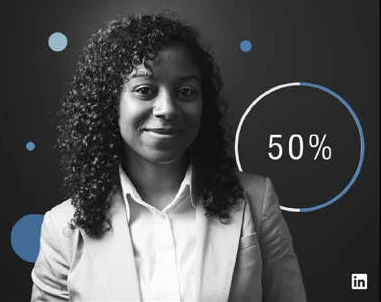
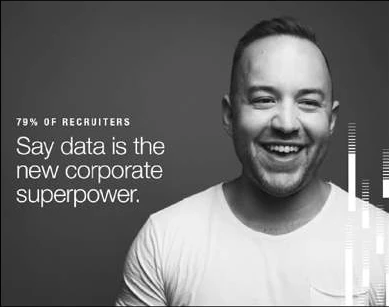
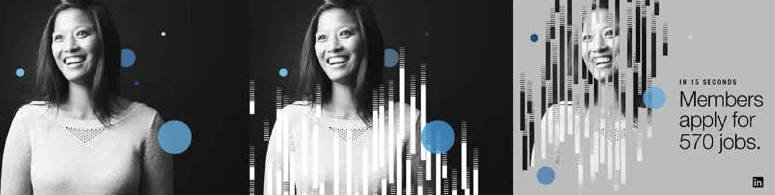
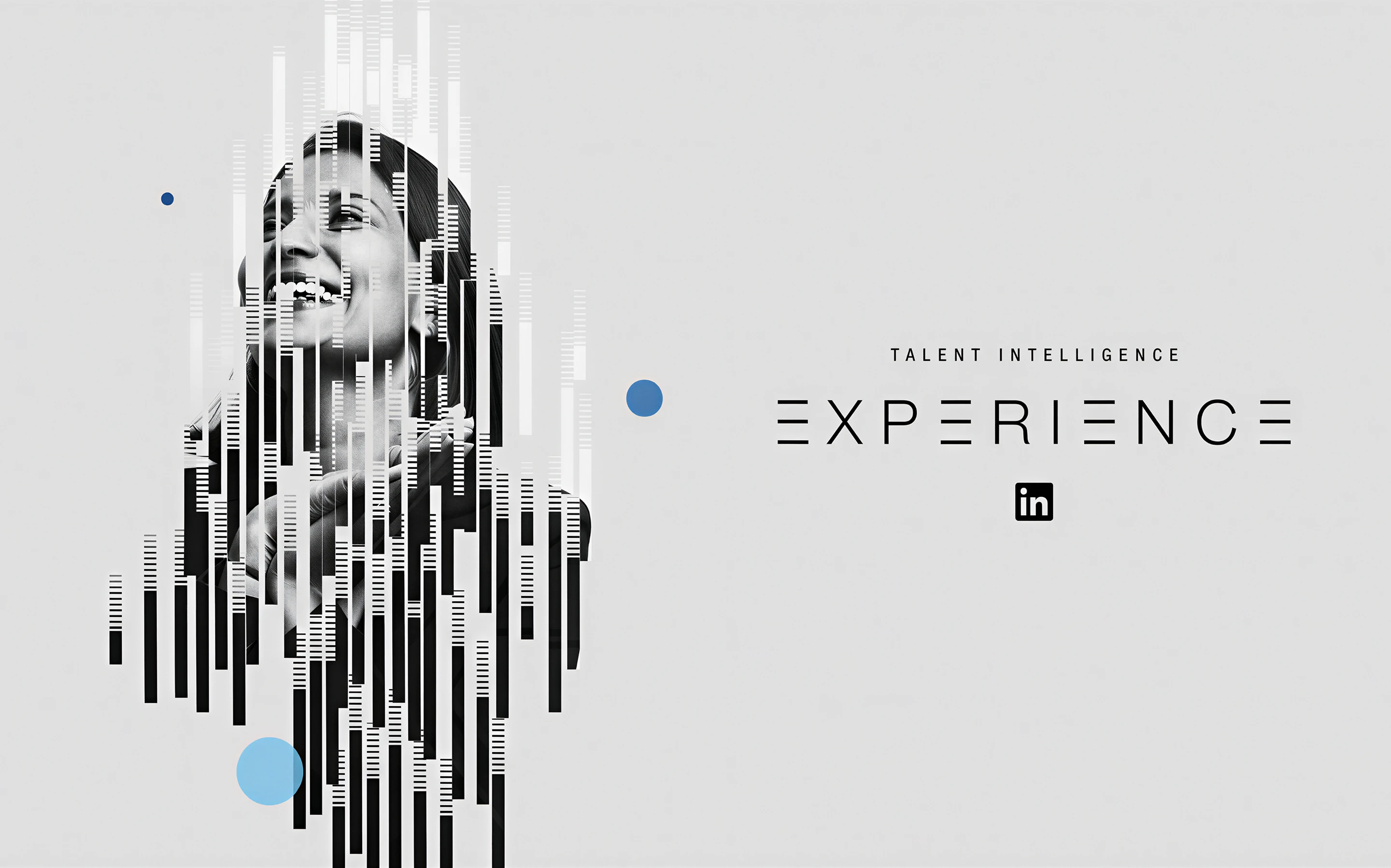
The central idea was simple: behind every data point is a person. We created a visual language where strands of information and orbiting points gradually came together to reveal portraits of real LinkedIn members. We didn't treat data as the final image; it became the material through which the person emerged.
That gave the experience a human centre while still communicating the platform's scale and intelligence.
From data to motion design.
The identity was designed to move. Strands and points assembled, separated and revealed portraits over time, creating a motion design language that could carry the same idea across screens, presentations and the live experience.
The motion design system gave the identity a sense of discovery, allowing information to build gradually rather than appear all at once.
Bringing data into the room.
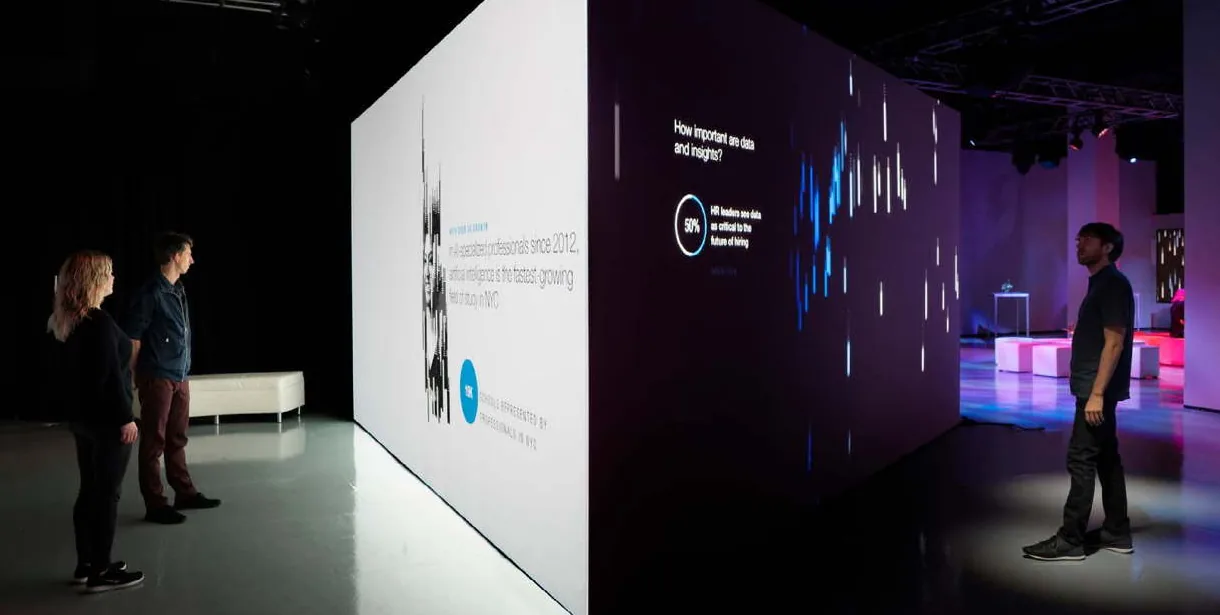
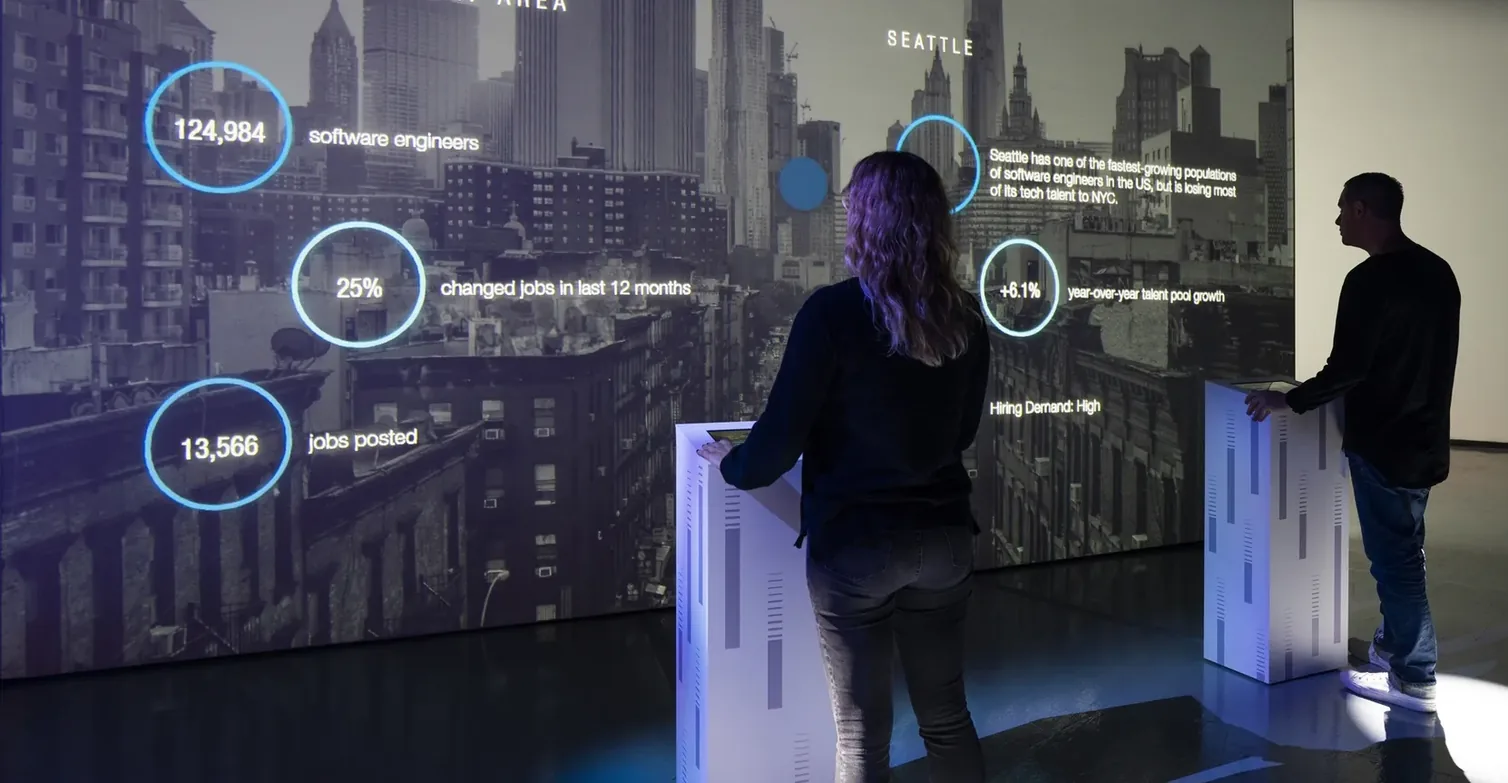
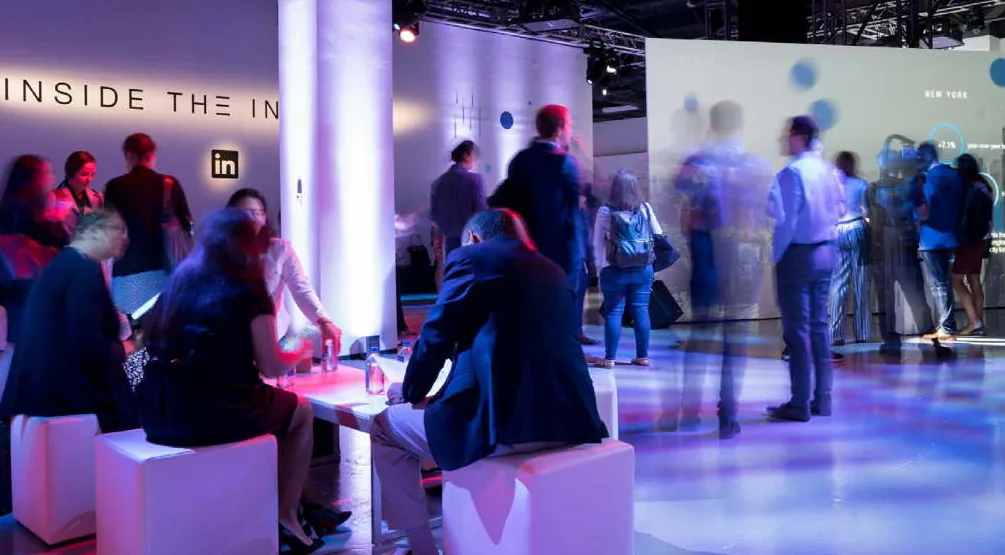
The idea became most tangible through an interactive installation built for the event. Attendees could engage directly with questions and uncover LinkedIn talent insights, turning the visual language into something they could navigate rather than simply observe. The audience was no longer being shown data. They were exploring it.
One identity, every city.
The system became part of a travelling series of Talent Intelligence events, creating one recognisable idea that could respond to different cities and audiences. Localised skyline imagery connected workforce insights back to each market while the broader identity remained consistent across the series.
It turned LinkedIn Talent Intelligence from an analytics proposition into something people could see, explore and interact with. One identity connected live events, motion design, localised data and an interactive installation across the travelling series.