Brand systems
Turn the story into a system.
Every brand starts with an idea about who it is, what it stands for and why it matters. The work is turning that story into something people can recognise, understand and use consistently.
We build the strategy, identity and rules that make that possible. Positioning and narrative establish the idea. Visual and verbal identity give it form. Guidelines and practical tools ensure it keeps working as new people, products and audiences are added.
The result is not simply an identity that looks right at launch. It is a system designed to stay recognisable wherever the brand goes.
Capabilities
- Positioning
- Naming
- Identity design
- Type and colour
- Brand guidelines
- System handover
Our approach
We start by understanding the business, the audience, and the story already there. Conversations with founders and teams, market and category research, and a clear view of what makes the company distinct give us the foundation for the brand.
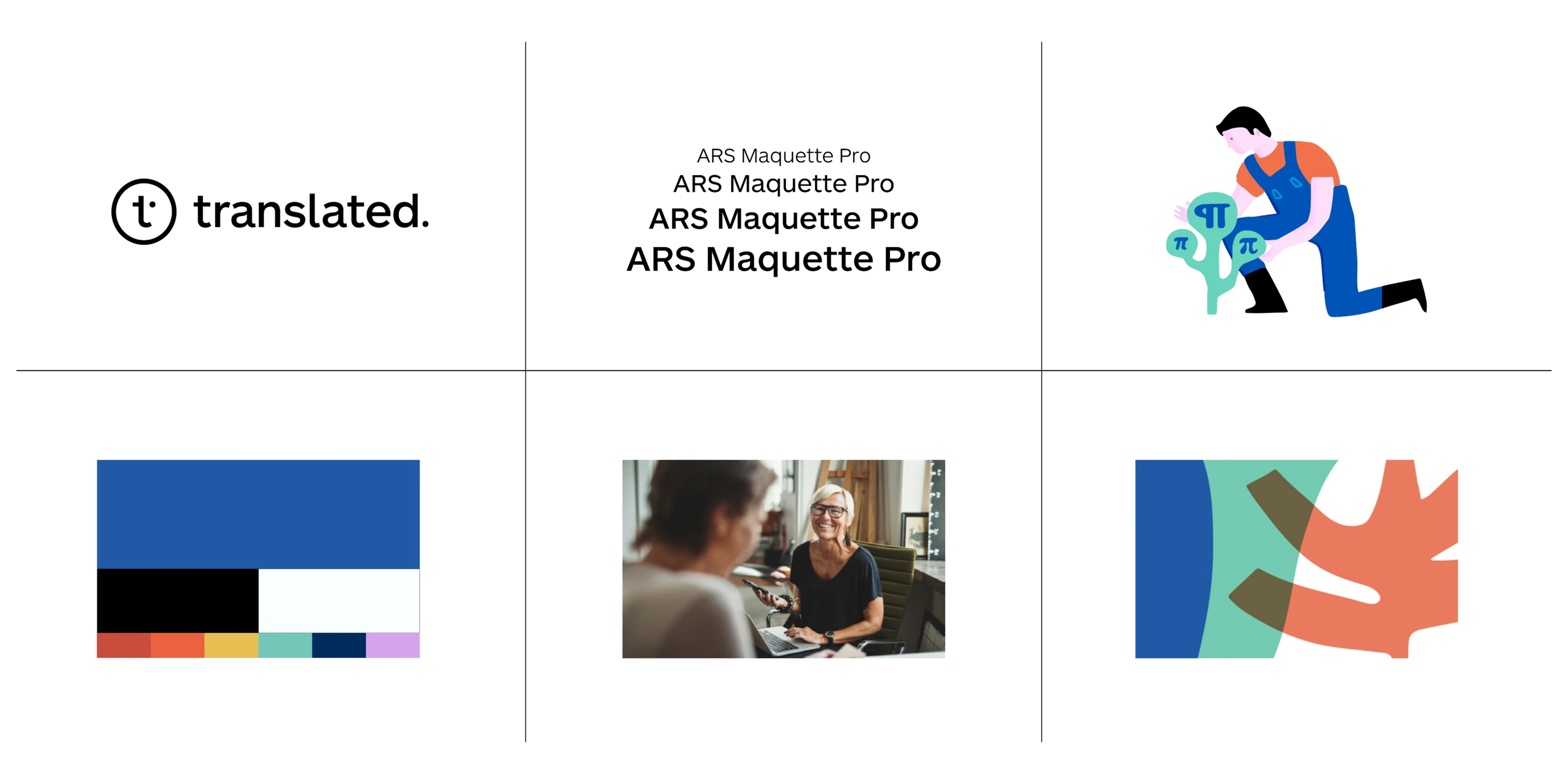
From there, we build the identity. We develop typography, colour, imagery, language, and composition together and test them across real applications from the start. The goal is not a collection of individual assets, but a set of decisions that can flex without losing the idea behind them.
Then we make the system usable. Guidelines, templates, files, and worked examples give internal teams and outside partners what they need to extend the brand with confidence.
Related work
View all

FAQs
A logo is one asset. A brand system is the positioning, the typography, the colour, the image direction and the rules that connect them, so that work made without us still looks like you. Most of what people describe as a logo problem turns out to be a missing system.
Often. Sometimes the answer is a full rebrand and sometimes it is a system built around what already exists and works. We would rather establish which of those it is before either side commits to anything.
The positioning and narrative, the identity itself, and guidelines and production files that other people can pick up and use without us in the room. The exact shape depends on the project, and it is something we agree with you rather than read off a fixed list.
Closely, and with the founders rather than through them. Whoever you meet is whoever is doing the work. We would rather be in the room arguing about a decision than presenting you a conclusion you had no part in.